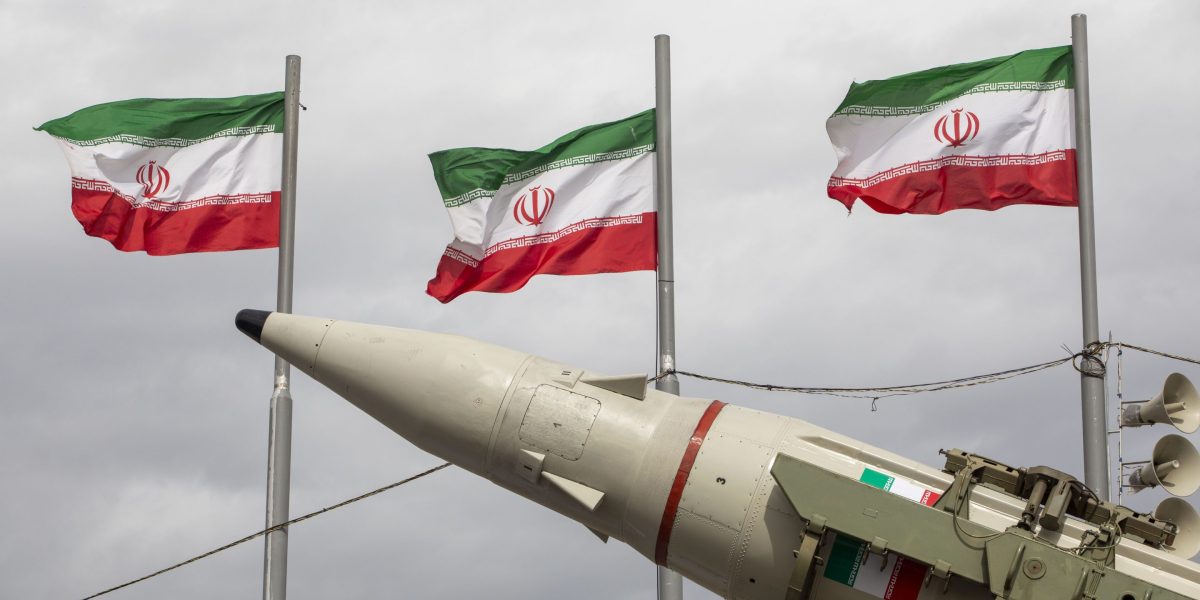
Iran Conflict Warning: Gas Prices Could Hit $5 Per Gallon Amid Rising Tensions
The specter of military conflict in the Middle East has long been a primary concern for global energy markets, and today is no different. As geopolitical tensions with Iran escalate, the prospect of a significant surge in fuel costs – potentially pushing average gas prices to an unprecedented $5 per gallon – is becoming a very real concern for consumers and businesses alike. Recent hints of potential U.S. military action in the region have already sent ripples through oil markets, underscoring the delicate balance that dictates what we pay at the pump. The stakes are extraordinarily high, not just for international diplomacy but directly for household budgets across the nation, making the phrase "gas price Iran war" a stark reality.
This isn't merely speculative fear-mongering; it's a calculated risk assessed by energy analysts and geopolitical strategists. The intertwining factors of Iran's strategic location, the global reliance on Middle Eastern oil, and the current political climate create a volatile mix where even the credible *risk* of disruption can trigger significant price hikes.
The Strait of Hormuz: A Global Chokepoint Under Threat
At the heart of this potential crisis lies the Strait of Hormuz, a narrow, 104-mile waterway strategically positioned offshore of Iran. This crucial maritime passage serves as the primary conduit for a staggering amount of the world's crude oil supply – approximately 14 to 20 million barrels per day. Much of the oil from major producers like Saudi Arabia, Iraq, Iran itself, Kuwait, and the United Arab Emirates *must* transit through this strait to reach global energy markets.
The sheer volume of crude oil passing through the Strait of Hormuz makes it an irreplaceable artery for the world economy. A closure, even partial, or military action within this choke point would instantly disrupt a massive portion of the global crude supply, a gap that other producers simply could not quickly replace. Furthermore, a broader U.S.-Iran conflict could extend its reach to critical energy infrastructure across the region, including refineries, pipelines, and export terminals, compounding the supply shock.
It’s important to understand that U.S. gasoline prices are intrinsically linked to global crude costs. This means that instability in a distant region can cause prices to skyrocket at your local pump, even if domestic fuel supplies remain unchanged. Energy markets operate on the principle of credible risk, not just confirmed shortages. When traders factor in the *potential* for supply disruption – even if it hasn't happened yet – wholesale fuel costs rise. Gas station owners, in turn, must pay these higher wholesale prices for their next shipment, directly translating into increased pump prices for consumers within days.
Why Iran's Desperation Matters for Your Wallet
Geopolitical analysis suggests that the current situation is particularly alarming due to Iran's internal pressures and perceived desperation. The regime faces significant domestic unrest and has seen the 2018 nuclear agreement from which President Trump withdrew effectively collapse. This creates an environment where Iran might feel "backed into a corner" with nothing left to lose, potentially leading to drastic actions.
Experts point to several high-risk scenarios:
- Strait Blockade: A desperate Iran could mine or block the Strait of Hormuz, effectively creating a blockade and stopping the flow of oil.
- Targeting Neighbors: Iran could also choose to target the oil infrastructure of its wealthy, oil-rich Arab neighbors, particularly Saudi Arabia and the UAE, which are seen as "easy targets."
While the Middle East's "playbook" for conflicts over the last two decades has generally involved avoiding direct attacks on oil infrastructure, a regime fighting for its very survival might discard such conventions. If Iran's Supreme Leader believes it's truly a fight for regime survival, then "all bets are off." This existential threat makes the situation "infinitely more desperate" for Iran, potentially inclining it to lash out and raise the cost of any U.S. intervention. Such actions would unequivocally lead to a massive oil price shock, directly fulfilling the "gas price Iran war" scenario many fear.
Beyond the Pump: The Ripple Effect of High Gas Prices
The immediate impact of higher gas prices is felt at the pump, making routine commuting, errands, and family road trips significantly more expensive. However, the effects don't stop there. A surge to $5 per gallon would ripple through virtually every sector of the economy, inflating costs far
beyond the pump.
Businesses that rely on transportation – which is almost all of them – will face sharply increased operating costs. These higher fuel expenses are then typically passed along to consumers through:
- Delivery Fees: Whether it's online shopping, food delivery, or even your local grocery store's restocking, increased transportation costs will be factored in.
- Grocery Prices: The entire food supply chain, from farm to table, relies heavily on trucking. Expect to see higher prices for everything from fresh produce to packaged goods.
- Travel and Hospitality: Airline tickets, rental car rates, and even the cost of hotel operations (heating, cooling, laundry) are influenced by energy prices. Vacation plans could become significantly more expensive.
- Manufacturing and Goods: The cost of transporting raw materials to factories and finished products to retailers will rise, leading to higher prices for consumer goods across the board.
Actionable Advice: While you can't control global oil markets, you can prepare for potential price spikes. Consider consolidating errands to reduce driving, exploring carpooling or public transportation options, and practicing fuel-efficient driving habits. Budgeting for potential increases in everyday expenses will also be crucial.
The Political Tightrope: Trump's Dilemma
The situation presents a significant dilemma for political leaders. President Trump, like many politicians, has historically favored low gas prices, often highlighting them as a sign of economic prosperity. However, confronting Iran without incurring an "unwanted oil supply disruption and gasoline price spike" is an incredibly complex challenge.
The Center for Strategic & International International Studies notes this precise predicament. On one hand, there's the strategic imperative to address perceived threats from Iran. On the other, there's the domestic political and economic reality that a massive surge in gas prices could have severe repercussions. The largest U.S. military buildup since the 2003 Iraq invasion underscores the seriousness of the standoff. Yet, with the odds of a diplomatic breakthrough reportedly fading by the day, the path forward is fraught with risk. Navigating
Trump's Iran dilemma requires a delicate balance of diplomacy, deterrence, and a keen awareness of global energy markets.
Conclusion
The possibility of gas prices reaching $5 per gallon due to an Iran conflict is not an exaggeration but a potential consequence of extremely high geopolitical stakes. The strategic importance of the Strait of Hormuz, coupled with Iran's current state of desperation, creates a volatile environment where the mere threat of disruption can send oil markets into a frenzy. While the future remains uncertain, understanding the potential impacts – from the pump to the grocery store – is crucial for consumers and businesses alike. Staying informed and preparing for potential economic shifts will be key as the world watches the unfolding situation in the Middle East with bated breath.